


A Beginner’s guide to Resume
Guide to building an effective resume for beginners
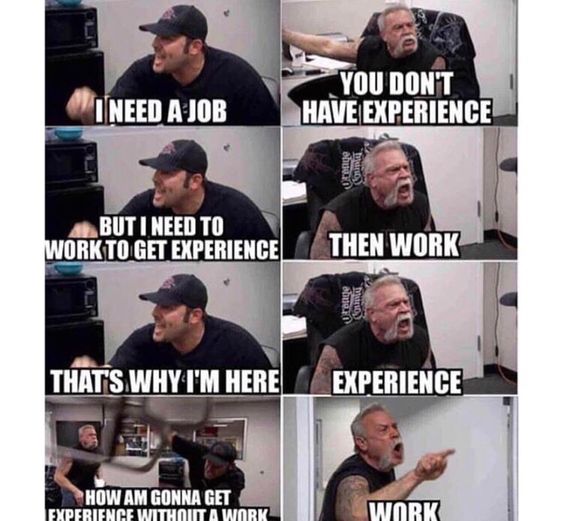
Experience is the key to a job and job is a prerequisite to experience. This very loop attaches immense importance to a good resume, especially for the one’s without any experience.
Is experience a mandatory requirement for a first job? Not really. Hence, the crucial step to one’s first job is to tidy up one’s Resume. This little arrangement will make all the difference.
The goal of your resume is to showcase your value as an employee and show employers why hiring you is beneficial to their company. So, the first thing you need to do is to carefully review the job description and review your skills that would suffice the job requirement in particular. After which you could start framing your resume.
Once the Resume is completed, please make sure of the checklist of every section and add points according to the weightage of every section. This weightage will vary with respect to the job description.
- Header: 5 %
- Relevant experience : Internships and Projects: 30 %
- Education : 20%
- Achievements and activities : 5 %
- Skills : Hard skills and soft skills : 25 %
- Other Sections: 8% :
- Language , Extracurricular activities: 7 %
Resume format: Reverse-chronological format.
The reverse chronological resume is the most common and traditional type of resume. In this resume format, you list your relevant work experience in reverse chronological order, beginning with the most Relevant experience or education section and proceeding backwards.
Header: Contact Information and Resume Objective
Check list : Contact information section
- First and Last Name
- Phone Number
- E-mail Address
- Location
- Link : A link to social media (e.g. LinkedIn) or personal webpage (Try Hiveboard )
Resume Objective: A Resume Objective is a short title statement on your resume that outlines your professional goals and aspirations. This serves as the first impression to a hiring manager to entice them to continue reading.
Check out examples of Resume Objective.
Education : 20%
Check list : List the following details in this order:
- Name of the degree
- Name of the institution
- Years attended
- Location of the institution (optional)
- Percentage ( Convert CGPA or GPA into percentage ) (optional)
- Honors (optional)
TIP : Focus more on your degree details or relevant course details more than school education.
Relevant experience :
TIP : Change the title “Work experience” to “Relevant experience.”
Since you do not have any work experience, make your experience section more general. This way, you can include information about your extracurricular activities, volunteer work, or position responsibilities in college activities and clubs .
You can add internship and project details either here or create a specific section for it .If you have a more relevant experience to add, create a separate section for internships and projects.
Check list :
- Title : Extracurricular,Volunteering, Position of responsibility
- Name of the organization/ team /Club
- Role :
- Time period : (Start date & End date )
- Key learnings, tasks , achievements,or impact you created : (bullet points)
TIP : Recruiters always pay more attention to bullet points and always use digits when writing about numbers, For example, 10% instead of Ten percentage. Numerals catch attention quickly.
Internships and Projects: 30 %
If you’re a fresher , add internships and projects to your relevant experience category. This will help add quality to your resume without a job experience.. If you have more internship experience, prioritize internships over projects . Check list :
- Company name
- Internship title or Role
- Duration (Start date & End date )
- Key learnings ,tasks , achievements,or impact you created : (bullet points) Tip : Don't use the term “Intern” alone, instead try to add your designation along with it such as “Marketing Intern” or “ Front end Intern.”
Skills : Hard skills and soft skills
Skills are natural talents and the expertise you develop to perform a task or a job. Life skills help you deal with daily tasks in life while professional skills allow you to perform specific works.. Brainstorm your skills , consolidate them and then pick the ones which are suitable for the job. Check the job requirements or key skill section of the job description and add relevant skills. If a resume exaggerates your qualifications, recruiters will find out at some point. Divide the skills into categories of Hard Skills and Soft Skills. Example of Soft skills and Hard skills
Other Sections: 8% : Language , Extracurricular activities: 7 %
Language is one of the major sections. If you are applying for any job, you can mention proficiency in each language , especially when the Job description demands language proficiency. And other sections can be used to specify different activities. , Depending on the importance of that activity in your specific career. For example, if you were the lead of any clubs or cells, you can mention that along with the key learning. This would give you an edge over others.
Like it’s said, ‘first impression is the best impression’. Thus, a decent looking resume could do wonders regardless of your experience.ession is the best impression’. Thus, a decent looking resume could do wonders regardless of your experience.